The Biomechanics of the Desk Bound.
An objective analysis of how sustained sitting impacts lower body structure and vascular performance over an extended corporate career.
Gravity and Static Load
When a human body remains seated, the entire weight of the upper torso is transferred directly to the pelvic floor and the ischial tuberosities (sit bones). Unlike walking or standing, which distributes weight through the legs, sitting concentrates force in a highly sensitive area.
This localized compression is natural for short durations. However, over an 8-hour Nigerian corporate workday, it creates a static load that the body was not evolutionarily designed to sustain continuously.
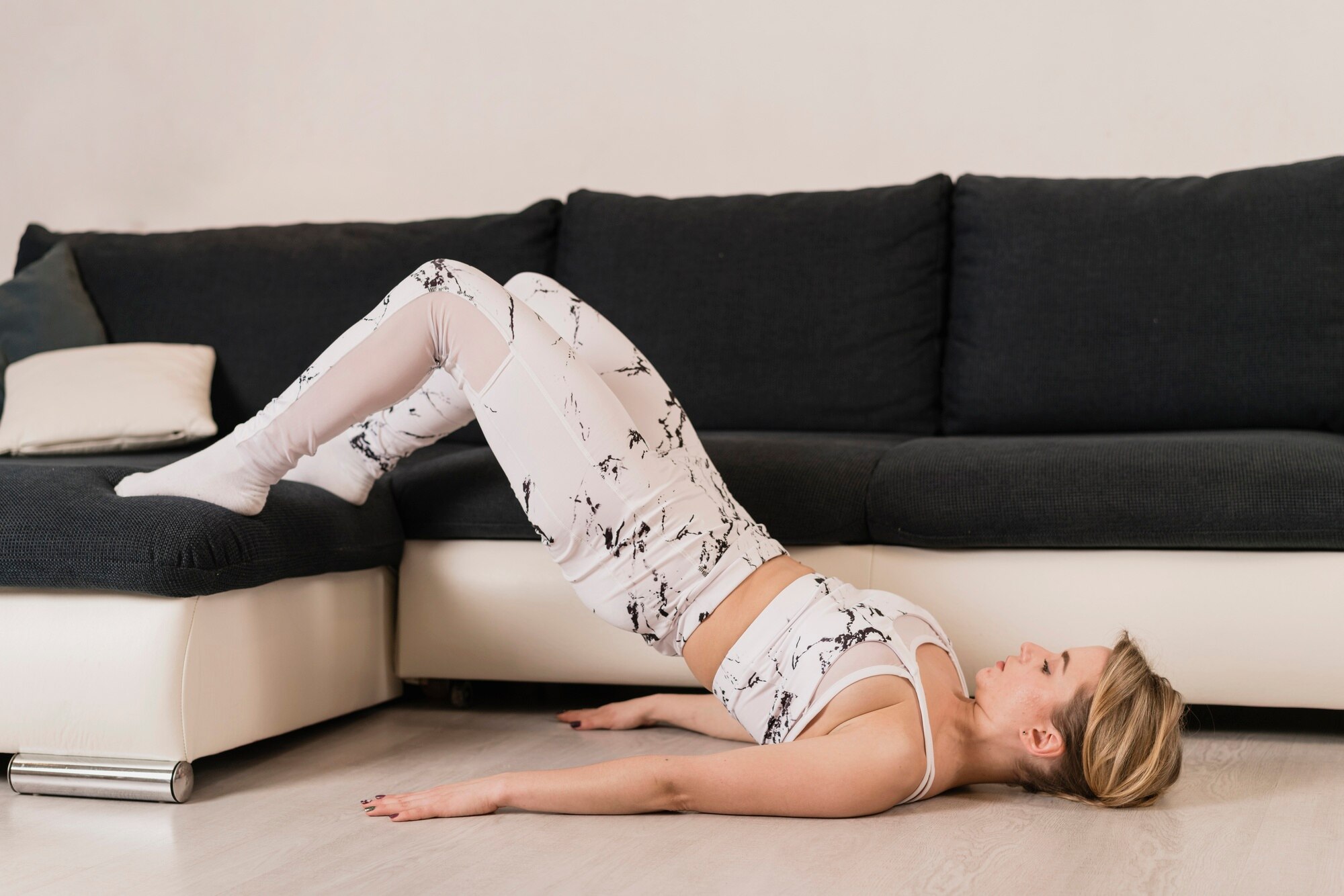
Vascular Flow Dynamics
Circulation relies on muscular movement—the "muscle pump"—to help venous blood return to the heart. Immobility slows this process down significantly. The pressure from a chair seat against the back of the thighs further acts as a mild tourniquet, reducing arterial delivery and venous return to the lower pelvic regions.
Fact vs. Fiction in Ergonomics.
Myth: The "Perfect" Posture
Reality: No single posture is perfect for 8 hours. The healthiest posture is the next posture. Constant micro-adjustments are superior to rigid perfection.
Myth: Chairs Fix Everything
Reality: Expensive ergonomic chairs provide better support, but they do not eliminate the necessity for vascular circulation. Movement remains non-negotiable.
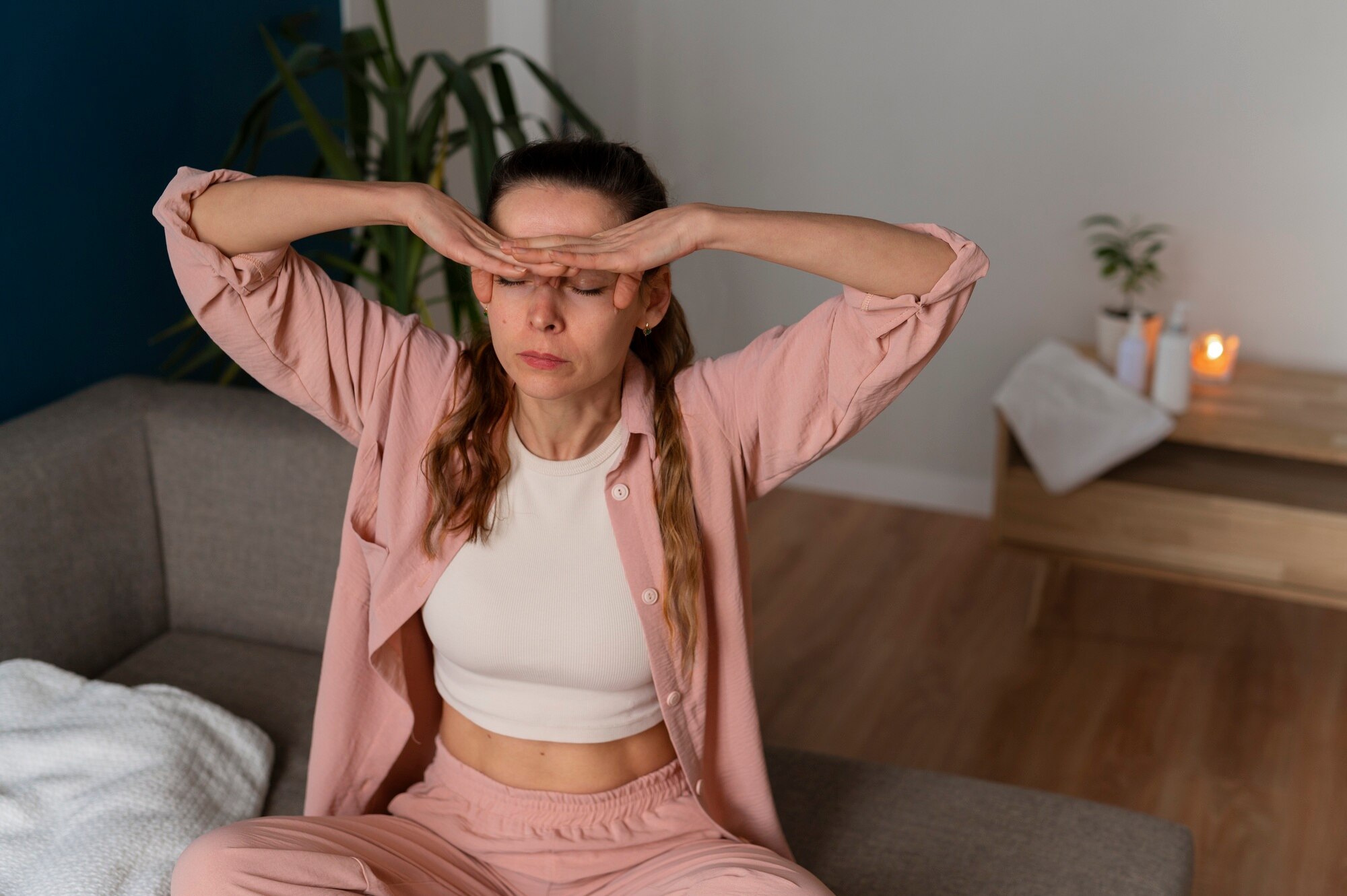
Structural Awareness
Recognizing tension before it becomes discomfort.

Translating Knowledge to Action
Understanding the mechanics is only the first step. Learn how to integrate non-disruptive movements into your daily schedule.
Explore Active WorkdayInformational Purpose Only: The biomechanical insights provided on Kanipob are for educational purposes. We do not diagnose, treat, or offer medical advice. If you suffer from chronic pelvic pain or severe circulatory issues, please consult a certified healthcare professional.